I'm Sebastian Sala - a software engineer at Blinks Institute focused on building digital products.
While my main focus is web development, I keep an open mindset toward different branches of software, always eager to learn, experiment, and take on new challenges.
My primary focus is on building software, design systems and growing as a versatile developer.
Work experience
Blinks Institute 2024 - Present · Blinks Institute
At Blinks, I worked on expanding and modernizing the payment ecosystem. I implemented card payments via terminals, mobile payments through CoDi, and online transactions, giving the platform multiple ways to process sales.
I designed and launched a cross-platform mobile app with Apache Cordova, including custom plugins to integrate bank card payments. I also shipped Flutter applications for additional mobile experiences across the product.
I contributed to an internal web builder—templates, blocks, and flows—to assemble and publish pages with less friction for stores and marketing content.
On the conversational side, I created a WhatsApp chatbot that automated sales across several stores, with dynamic product catalogs and promotional offers. This improved customer interactions and streamlined operations.
SCISA
At SCISA, I focused on financial operations and system performance. I implemented Stripe payment integrations, broadening the payment options we could offer and supporting more billing scenarios.
I also designed and built an automated billing system that generated and managed invoices, reducing manual work and improving operational efficiency.
I spent time refactoring components for reusability and simplifying dependencies, which cut down complexity and made the codebase more maintainable.
By identifying and fixing performance bottlenecks in critical flows, I improved load times by roughly 25% and made the application more responsive overall.
Personal Projects
RustAuth RustAuth
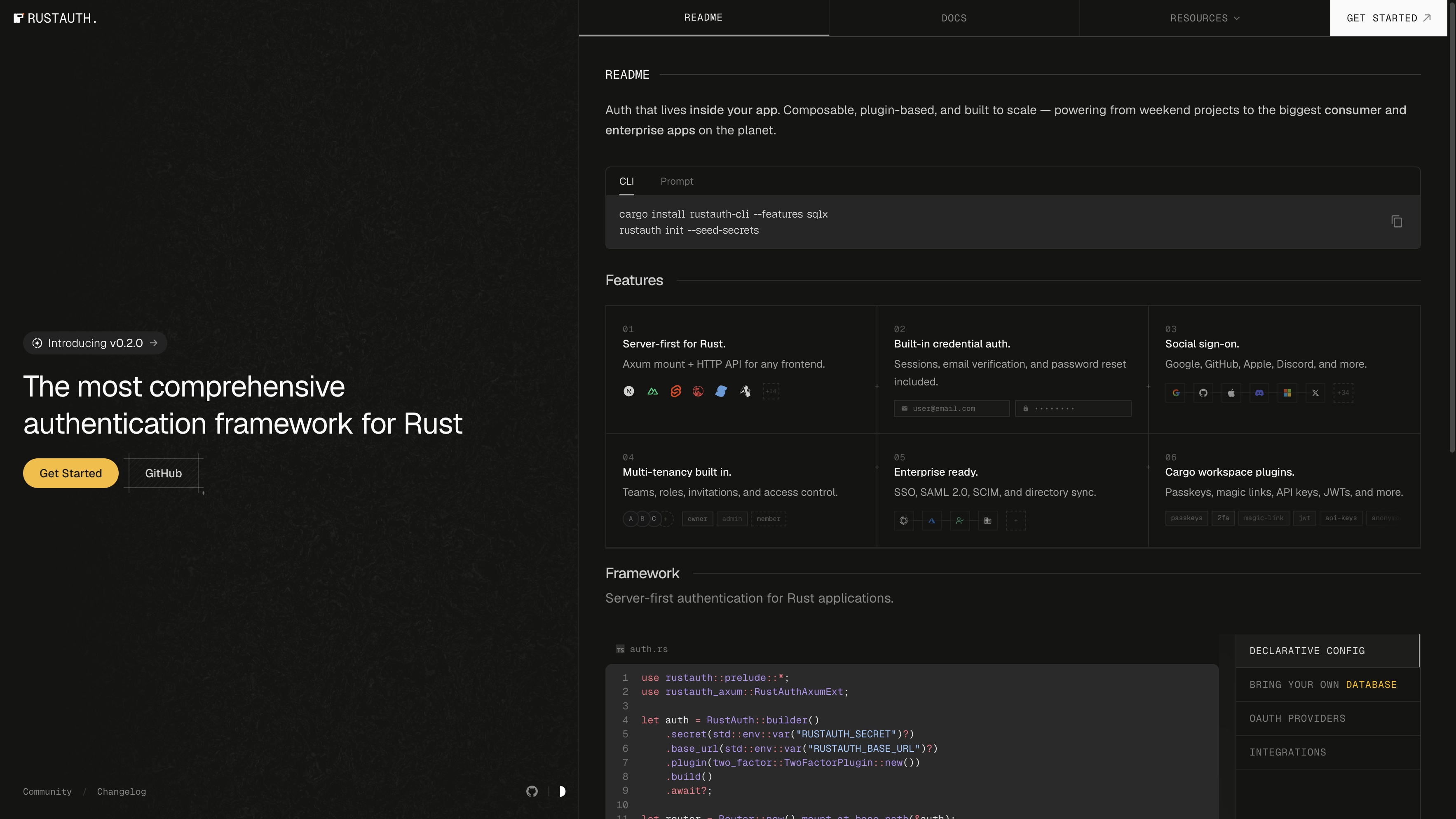
Server-first authentication framework for Rust—composable, plugin-based, and built to scale. Sessions, social sign-on, multi-tenancy, SSO, SAML 2.0, SCIM, passkeys, and more through a Cargo workspace of optional plugins.
Framework-agnostic core with Axum integration, declarative config, and bring-your-own-database support.
better-auth better-auth
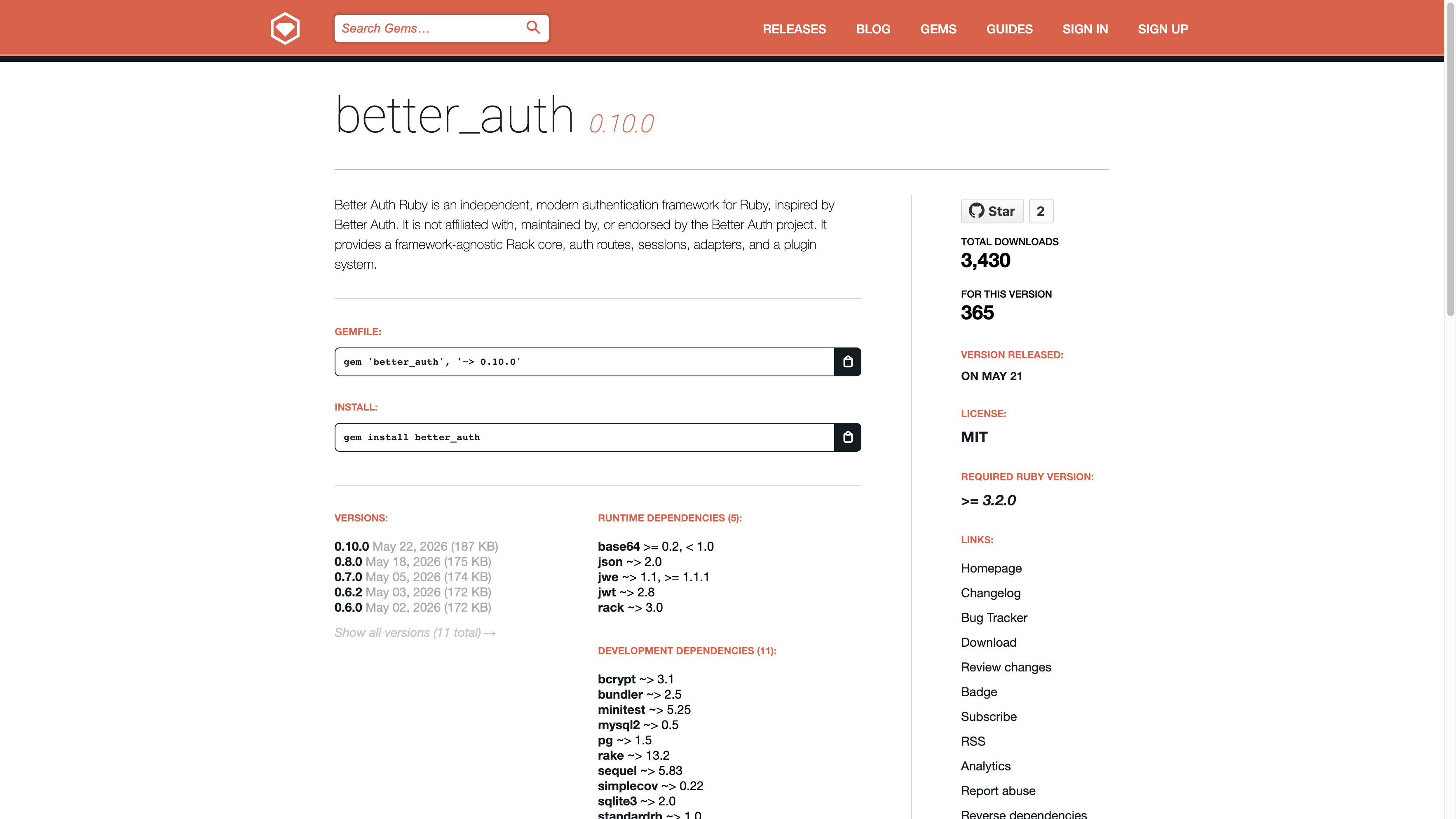
Authentication gem for Ruby on Rails—typed building blocks for OAuth-style flows, sessions, and identity APIs. Inspired by the Better Auth ecosystem, packaged for Rails apps with a familiar developer experience.
OpenSAML — SAML 2.0 in Rust OpenSAML — SAML 2.0 in Rust
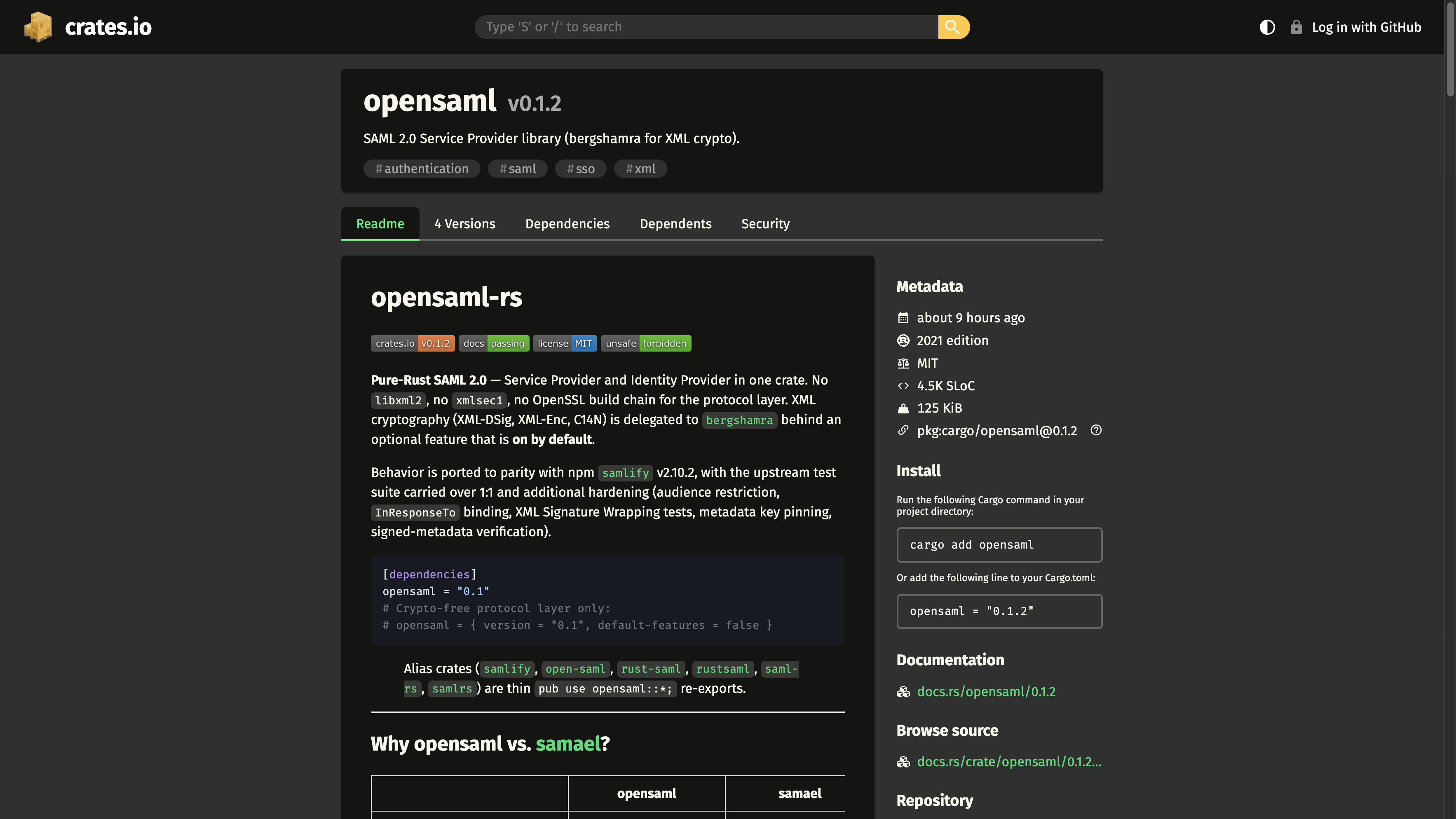
Pure-Rust SAML 2.0 library with Service Provider and Identity Provider in one crate. No native XML dependencies — cryptography runs through bergshamra.
Supports HTTP-POST, Redirect, and POST-SimpleSign bindings, Single Logout, SP/IdP metadata, audience restriction, and signed metadata verification.
BetterFetch — typed HTTP for Rust BetterFetch — typed HTTP for Rust
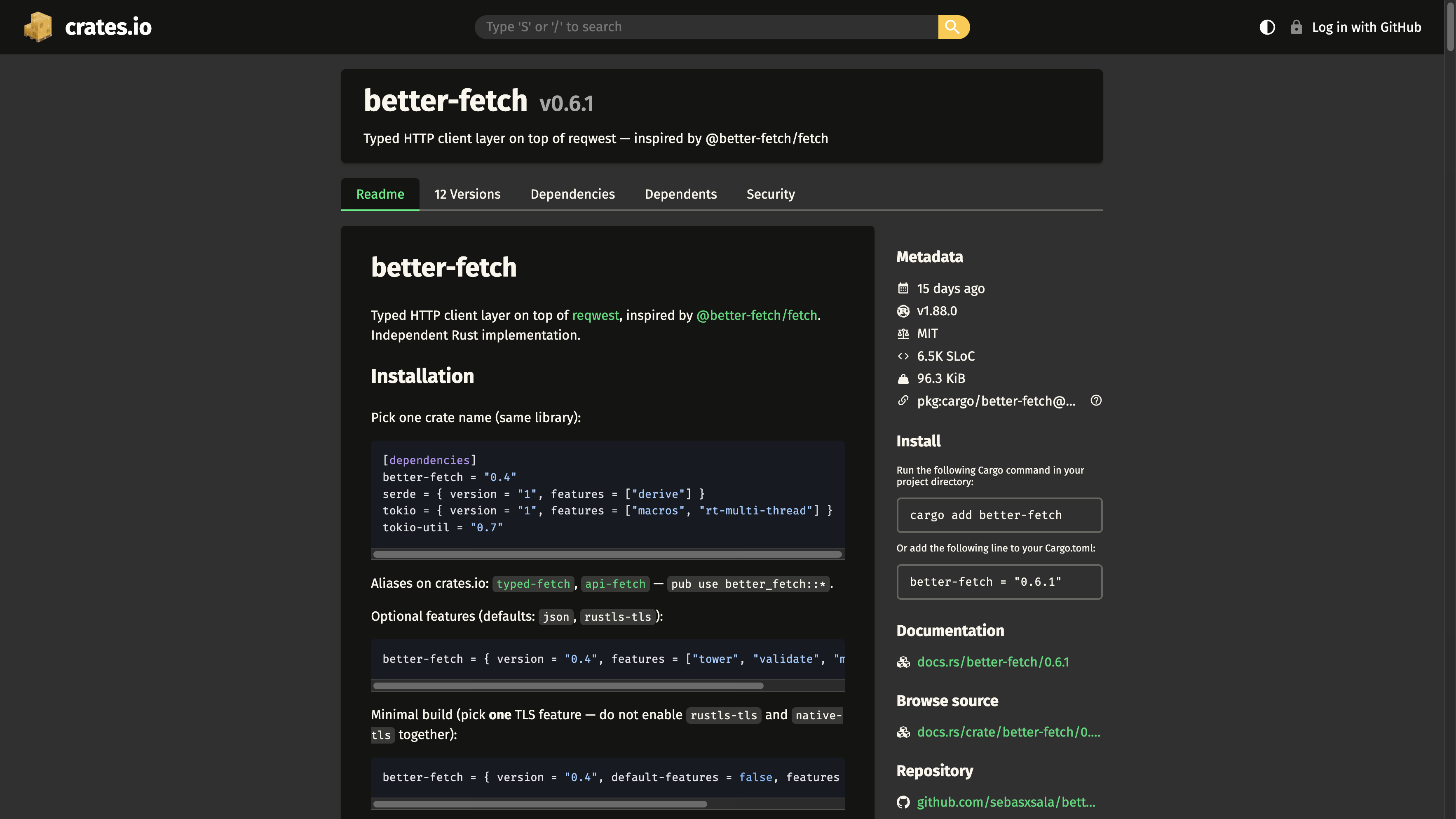
Typed HTTP client layer on top of reqwest, inspired by @better-fetch/fetch. Independent Rust implementation with compile-time route definitions, path params, query schemas, hooks, retries, and optional Tower integration.
Lenslate — translate text in images Lenslate — translate text in images
Chrome extension (Manifest V3) that translates text inside images on the web — 100% local and free. Built for manga, manhwa, screenshots, and memes: detects images, runs local OCR with Tesseract.js, and overlays translations using Chrome’s on-device Translator API.
No backend, login, credits, or cloud APIs. IndexedDB cache makes repeat translations instant. Trade-off: moderate quality and speed in exchange for privacy and zero cost.
PyPix PyPix
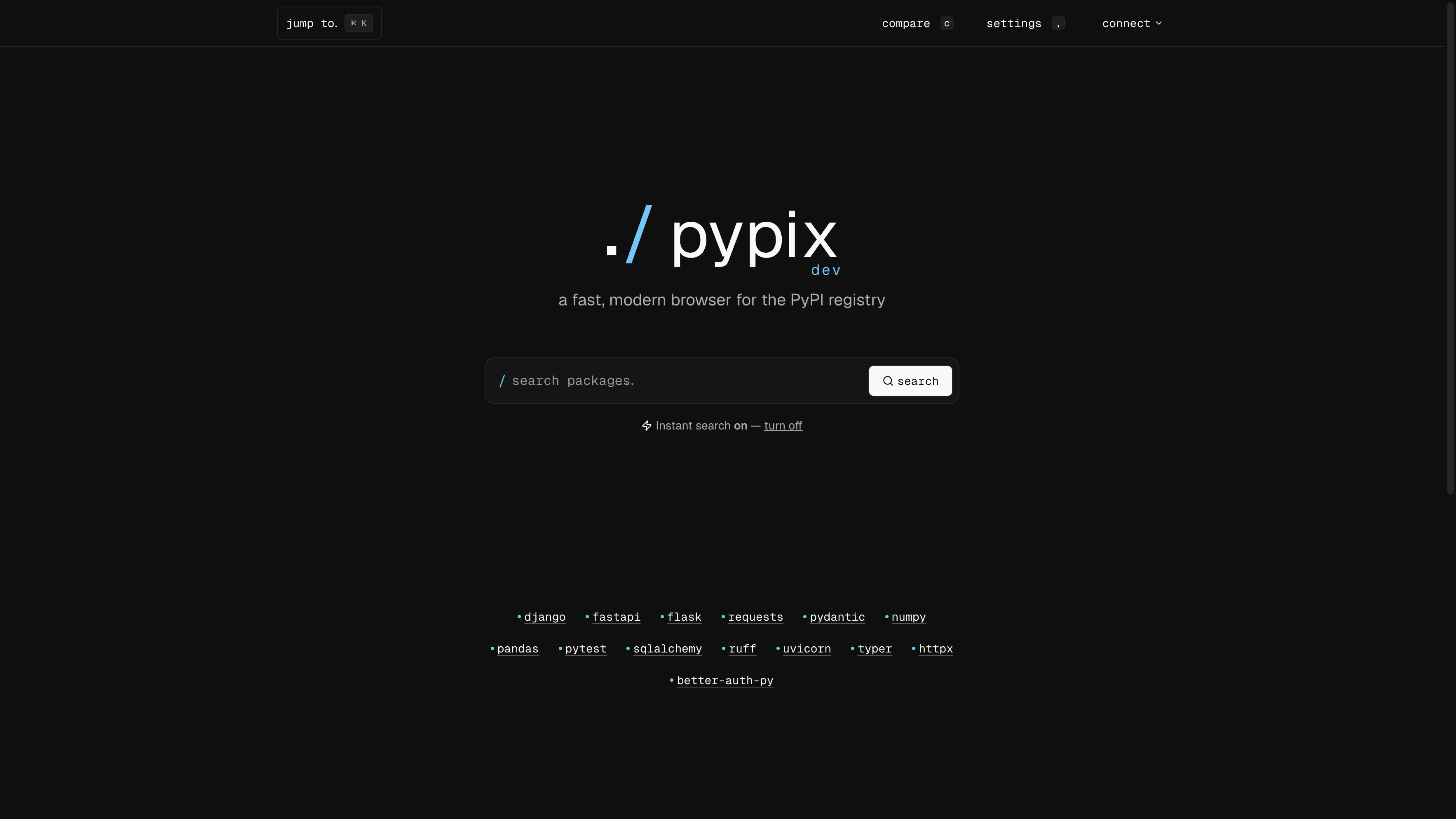
PyPix is a fast, modern browser for the PyPI registry: instant search, rich package pages, and a workflow-oriented UI for exploring Python dependencies without digging through raw index pages.
It is built as a real-world alternative to browsing PyPI from the terminal alone—focused on clarity, speed, and discoverability.
NNative Voice NNative Voice
NNative Voice installs a local speech model on your machine and turns voice into text as a desktop dictation app.
It runs fully offline, keeps transcripts on-device, and is designed for private, low-latency writing with your voice.
Great for focused writing sessions, coding notes, and hands-free drafting without sending data to external services.